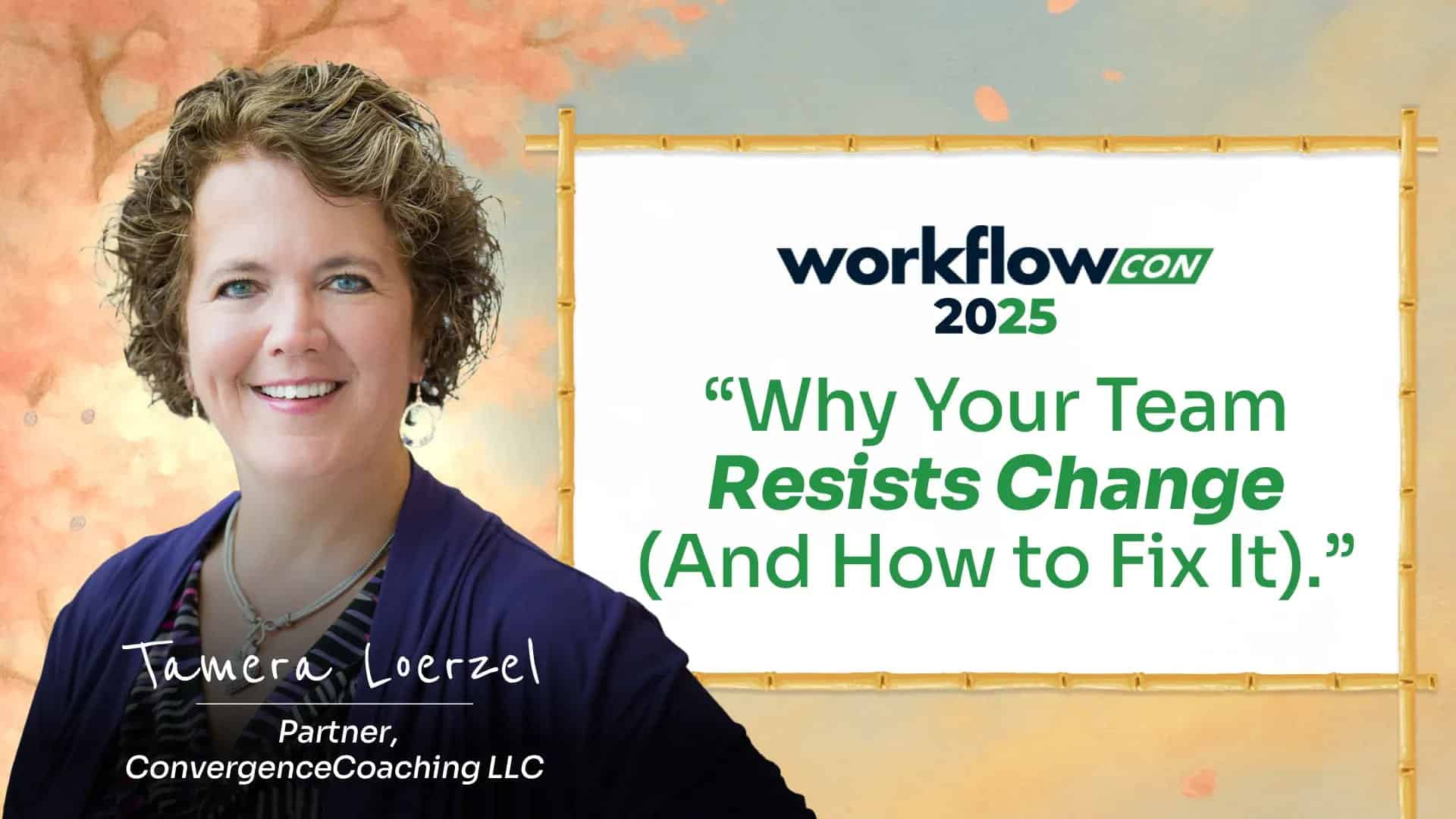
How to Lead Organizational Change with Effective Communication in Accounting Firms w/Tamara Loerzel
Change in accounting firms is rarely simple, and the volume and pace of change in the profession are higher than ever. Accounting Firms are facing new technologies, evolving client expectations, and shifting regulatory landscapes. The real challenge is not simply making a change, but bringing everyone along with you.
Also, people resist change for many reasons: uncertainty, fear of losing control, attachment to familiar routines, or skepticism about new initiatives. Tamera Loerzel, partner at Convergence Coaching, encouraged leaders to recognize that “we are all coming at this from different perspectives,” and that resistance often comes from legitimate concerns or a desire for stability, not just stubbornness. The first step is understanding these concerns so that leaders can address them directly and thoughtfully.
Understanding Why Change Is Difficult in Accounting Firms and How to Overcome Resistance
Most accounting firms face strong headwinds when launching new initiatives, rolling out technology, or changing core processes. Tamera Loerzel explained that resistance is normal and is rarely rooted in stubbornness or laziness. In fact, employees often resist because they care about their work and worry that change may disrupt hard-earned routines or client relationships.
Loerzel emphasized that firm leaders must see resistance as feedback. Understanding the psychology behind it is the first step in overcoming it. She advised leaders to ask, “What are people afraid of losing?” and “What does stability look like to them?”
By naming these fears and surfacing concerns early, leaders can address issues before they turn into major obstacles. Acknowledging emotional responses and inviting feedback helps people feel heard, increasing their willingness to try new approaches.
Using the Change Adoption Curve to Engage Every Personality Type in Your Accounting Firm
Managing change in any accounting firm means recognizing that people move at different speeds, and for different reasons, when asked to try something new. Tamera Loerzel emphasized that understanding the change adoption curve is essential for rolling out successful initiatives and keeping every member of your team engaged throughout the journey.
Innovators:
These are the “trailblazers” in your firm. Innovators are often the first to suggest new tools, explore fresh approaches, or volunteer to test drive a workflow before anyone else. They thrive on experimentation and are comfortable with risk. Loerzel encouraged firm leaders to identify these team members and bring them into the conversation early. “Let your innovators test and tinker. Their curiosity is contagious, and they can provide early feedback that helps refine your approach,” she noted. Innovators often become informal champions for the change, encouraging others to get involved.
Early Adopters:
Early adopters are the next to get on board. They may not create new systems from scratch, but they are quick to recognize value in a good idea and willing to try it out. Early adopters can translate the vision of innovators into actionable insights for the wider team. Loerzel recommended involving this group in pilot programs and letting them share their experiences through internal presentations or casual check-ins. Their positive testimonials carry weight, especially for colleagues who are curious but cautious.
Early Majority:
The early majority represents a substantial portion of most teams. They are pragmatic, results-oriented, and typically wait for some proof before jumping in. This group asks, “Will this work for me? Have others succeeded?” For these team members, Loerzel suggested sharing real-life case studies and small wins from pilots. “The early majority doesn’t want hype—they want evidence,” she explained. Demonstrating that a process is already making work easier for their peers helps them gain confidence and motivates them to adopt the change themselves.
Late Majority:
These individuals are even more cautious. The late majority waits until a change is firmly established and may need extra support or reassurance. Loerzel emphasized that this group often requires detailed instructions, extra training, and the ability to see the change working across the firm before they feel safe making the leap. Leaders can help by offering additional resources, peer mentors, and consistent reminders that reinforce the benefits and normalcy of the new system.
Laggards:
Laggards are the most resistant to change. Their hesitation may stem from negative past experiences, a strong attachment to familiar routines, or skepticism about the need for change at all. Loerzel advised leaders to approach this group with empathy and patience. Listen to their concerns without judgment, acknowledge what is being lost as well as what is being gained, and let them see the positive impact over time. Sometimes laggards need to see overwhelming evidence and peer support before they feel ready to shift, and that is okay.
By intentionally recognizing and supporting each category, innovators, early adopters, early majority, late majority, and laggards, accounting firm leaders can craft communication, training, and support strategies that resonate at every stage of the adoption curve. This thoughtful approach transforms change from a source of friction into an opportunity for growth, ensuring no one is left behind as your firm moves forward.
Developing a Change Communication Plan That Drives Buy-In Across the Whole Firm
Developing a change communication plan that truly drives buy-in is about much more than drafting an email announcement or holding a single meeting. Tamera Loerzel emphasized that effective communication is a carefully crafted, multi-step process designed to address questions, motivate engagement, and reduce anxiety at every level of the firm.
The first step, according to Tamera, is to clarify your message. Leaders need to answer not only “what” is changing, but also “why” the change is necessary and “how” it will benefit both the firm and its people. She advised, “People need to hear what’s in it for them. If you want real buy-in, you have to make the personal benefits crystal clear.”
This means tailoring your messaging for different audiences, such as staff, managers, and clients, and focusing on real advantages like time saved, reduced frustration, new growth opportunities, or even improved work-life balance.
Next, Tamera recommended mapping out the communication sequence. She explained that change messaging should cascade down from leadership to managers, from managers to teams, and then outward to clients or stakeholders. Each group needs time to process information, ask questions, and prepare for the next conversation. Tamera noted, “If you want your managers to be on board and ready to answer questions, you have to bring them into the loop early. No one likes to be surprised by questions they can’t answer.”
A robust communication plan also anticipates objections and frequently asked questions. Creating FAQ documents, benefit statements, and detailed timelines helps address concerns up front and demonstrates that leadership has thought through the impact of the change. Tamera encouraged firms to “gather input early, surface resistance, and treat questions as a sign that people care enough to engage.”
Tamera also stressed the importance of using multiple communication channels. People absorb information in different ways, so repeating messages through meetings, written updates, email reminders, and even informal chats is crucial. “People need to hear things seven times, and in different formats, before it really sinks in,” she said. A single announcement will not be enough; the message must be woven into the daily fabric of firm life.
Wrapping Up
Change can feel uncomfortable, but it is also the way accounting firms stay competitive and grow. Tamera Loerzel’s advice was simple but powerful: talk openly with your team, explain the reasons behind changes, and keep communication flowing. People want to feel heard and to know what’s coming next. When you share your plans, listen to feedback, and celebrate small wins together, change starts to feel a lot less daunting.
Firms that approach change with honesty and consistency will find their teams are not just ready for what’s next, they are excited to be part of it.
Summary:
Kenji Kuramoto, founder of Acuity, shares his journey of scaling an accounting firm from startup chaos to structured clarity. He recounts three critical phases: aggressive growth that led to unsustainable churn and layoffs, misguided scaling attempts that copied tech company processes without considering firm culture, and finally achieving clarity through systems that aligned with their values.
Tamara Loerzel’s session offered a deep dive into leading organizational change in accounting firms. It covered overcoming resistance by viewing it as feedback, utilizing the Change Adoption Curve (Innovators to Laggards) for tailored engagement, and developing a multi-step communication plan to ensure firm-wide buy-in.
WorkflowCon 2026 Waitlist is open!
Now we are already building the next chapter.
The Practice Management Hub




Get Started Today