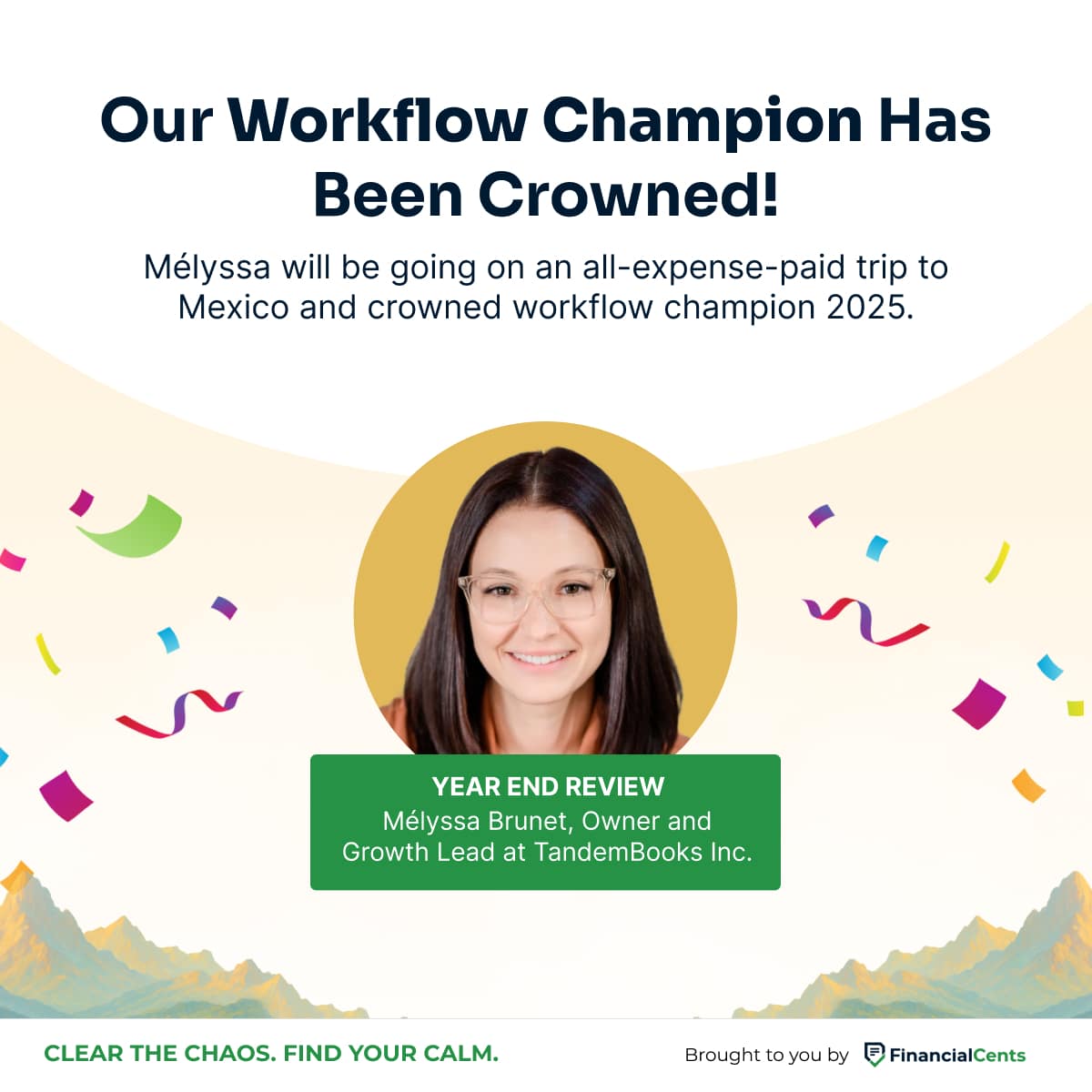
When Melyssa Brunet was announced as the 2025 Workflow Champion at WorkflowCon, the applause was immediate.
Her winning workflow, a structured year-end review process, resonated with firm owners who recognized the quiet damage caused by missed deadlines, reactive planning, and processes that live only in people’s heads.
However, Mélyssa’s story is not about a single template.
It reflects how workflows evolve when they are built with intention, tested in real client work, and shaped by the people who use them every day.
In this interview, Mélyssa walks through what pushed her bookkeeping firm to formalize workflows, how she earned team buy-in, where workflows still fall short, and why structure has become one of her firm’s biggest growth levers.
Q: First of all, congratulations on winning Workflow Champion 2025. You are going to Mexico. What are you most excited about with this trip?
Mélyssa:
Thank you!I decided to bring my husband with me because he has supported me so much through the creation and growth of my business over the last five to six years. We are going without our children this time, so it is really a getaway for just the two of us.
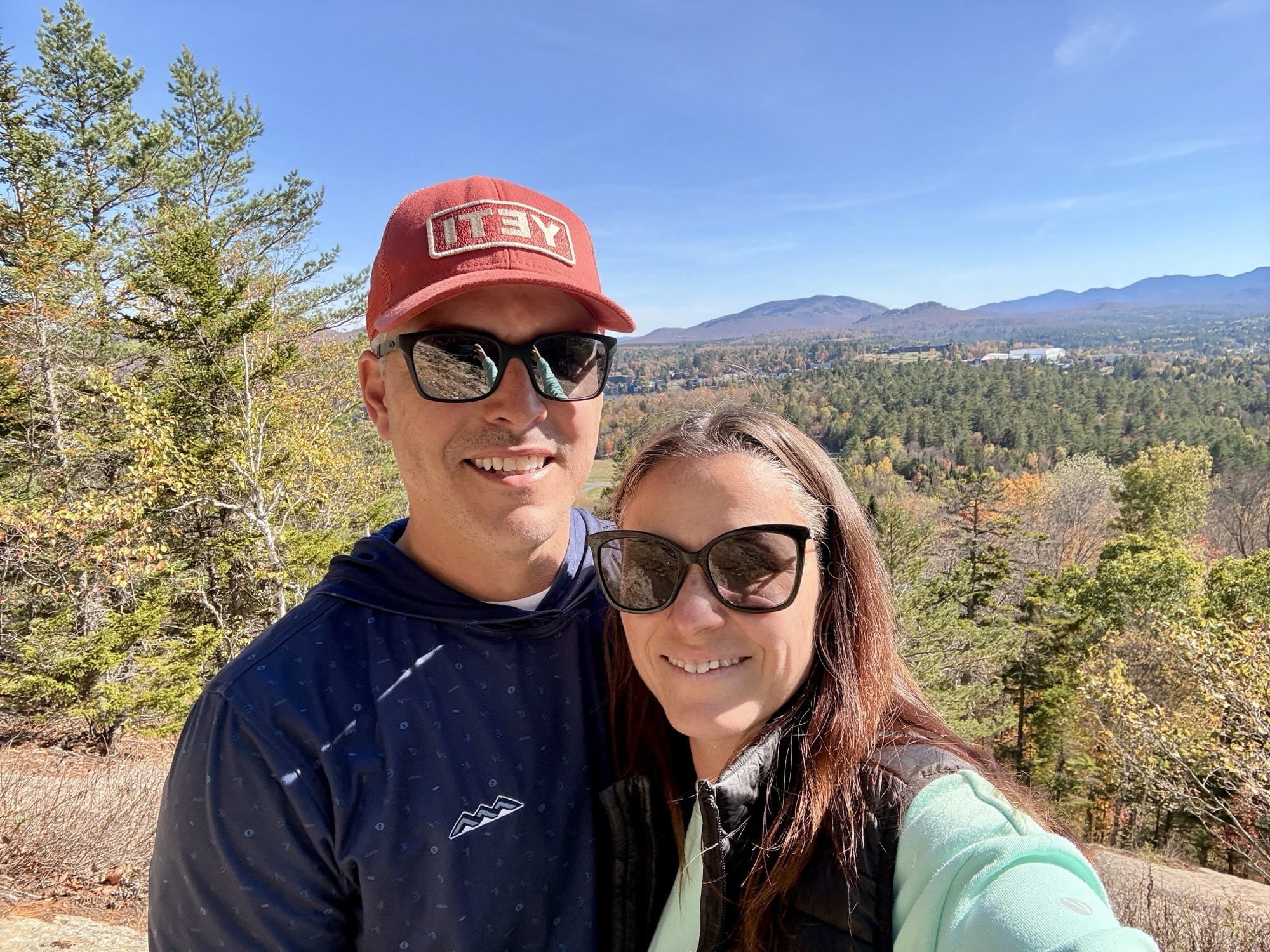
January is usually right in the middle of year-end rush for us, but towards the end of the month, things begin to slow down a little. Being able to step away, disconnect, and actually rest for a few days feels meaningful. It is not something we get to do often, especially during that season, so I am really looking forward to it.
Q: Let’s go back a bit. At what point did it really dawn on you that your bookkeeping firm needed a formal workflow system and templates?
Mélyssa:
We started the business in 2019, and we began working with Financial Cents in 2022. As we grew and started hiring more people, it became very clear that training was taking too long. Every time someone new joined, we had to explain everything from scratch.
That repetition was exhausting and inefficient. We realized that if growth was going to continue, we needed a better way to document how work actually gets done. We did our research, found Financial Cents, and started slowly building our workflows inside the platform. That decision changed how we operated as a firm.
Q: When you were designing these workflows, especially the year-end review, did you ever doubt whether they would actually work?
Mélyssa:
Absolutely. You can create the best procedures in the world, but if people do not use them, they are meaningless. Preparing the workflows was a lot of work. Every single step had to be outlined and defined clearly.
Bookkeeping is not cookie-cutter, so we also had to think about exceptions and edge cases. That was challenging. What helped was that our team genuinely wanted structure. They were open to using workflows as guides rather than restrictions, and that made adoption much easier.
Q: You mentioned you have many templates. Why was the year-end review workflow the one you chose to present?
Mélyssa:
We actually have a library of over 50 procedures. The year-end review stood out because it is such a critical time for businesses. When you are deep in monthly work, it is easy to miss how quickly year-end approaches.
Having that workflow automatically appear when the project start date hits removes the mental burden. It reminds us to reach out to clients, gather information, and start early. It automates the thinking. That routine has helped us avoid falling behind and scrambling at the last minute.
Get Mélyssa Brunet’s winning year-end review workflow here
Q: Did you face any pushback or skepticism from your team when rolling out workflows?
Mélyssa:
No, and that is because we built them together. Everyone had the opportunity to participate in creating the procedures, even if some people were more involved than others.

Before finalizing anything, we made sure feedback was collected and considered. Even now, the workflows are constantly evolving. If something does not work, we change it. That openness and shared ownership are what made the workflows stick.
Q: How do you decide when a workflow is ready to be rolled out firm-wide?
Mélyssa:
When we first started with Financial Cents, we created our core workflows right away, things like weekly bookkeeping and accounts payable. As new needs come up, we design workflows in the template section and review them as a group.A more senior team member will usually test the workflow on a real client first. They are better positioned to see what is missing. If it still needs changes, we refine it before pushing it across all clients. Once a workflow is live, updating it everywhere takes work, so we are careful about timing.
Q: Many firms see workflows and SOPs as efficiency tools. From your experience, what else do they influence?
Mélyssa:
Growth, without question. When we hire someone new, they are assigned files immediately in Financial Cents. They can see exactly what tasks they own, what each task means, and what done looks like.That shortens the time it takes for new hires to feel confident. Training is costly, not just financially but mentally. Workflows reduce that burden. Without them, everything relies on verbal explanations and notes, which is not scalable.
Q: Are there misconceptions in the accounting or bookkeeping industry you wish people challenged more?
Mélyssa:
Yes, especially around bookkeeping. Professional bookkeeping is often undervalued. There is a big difference between professional bookkeeping and simple data entry, but many people lump them together.
Accountants rely heavily on the quality of bookkeeping work they receive. There is real value in professional bookkeeping, and I think both clients and practitioners need to recognize that distinction more clearly.
Q: As the 2025 Workflow Champion, what part of workflow building do you still find challenging?
Mélyssa:
Workflows are never perfect. New clients come in with different ways of doing things, and that forces you to adapt. On top of that, software is constantly changing. With new AI features and platform updates, we have to revisit workflows and ask whether they are still efficient.That constant evolution is the reality. You cannot build workflows once and assume they will work forever.
Q: Finally, what part of this win feels most validating for you?
Mélyssa:
It reflects the work our entire team has put in over the last few years. Seeing the audience respond positively and vote for the workflow meant a lot.I have already had people reach out since WorkflowCon, which has led to new connections. Being part of that community and having our work recognized feels incredibly rewarding.
Watch Mélyssa’s winning moment here
The recognition at WorkflowCon 2025 may have marked a milestone, but it also revealed that sustainable firms are built on workflow systems that evolve, invite feedback, and support the humans behind the work.
Mélyssa’s workflow did justice to that by offering a blueprint for how accounting and bookkeeping firms can grow without losing their footing.