You probably know the feeling. Your calendar is full, your inbox is fuller, and you said yes to one more client, one more service, and one more tool because that’s what growth is supposed to look like. You’re busy every single day. You’re just not always sure you’re busy on the right things.
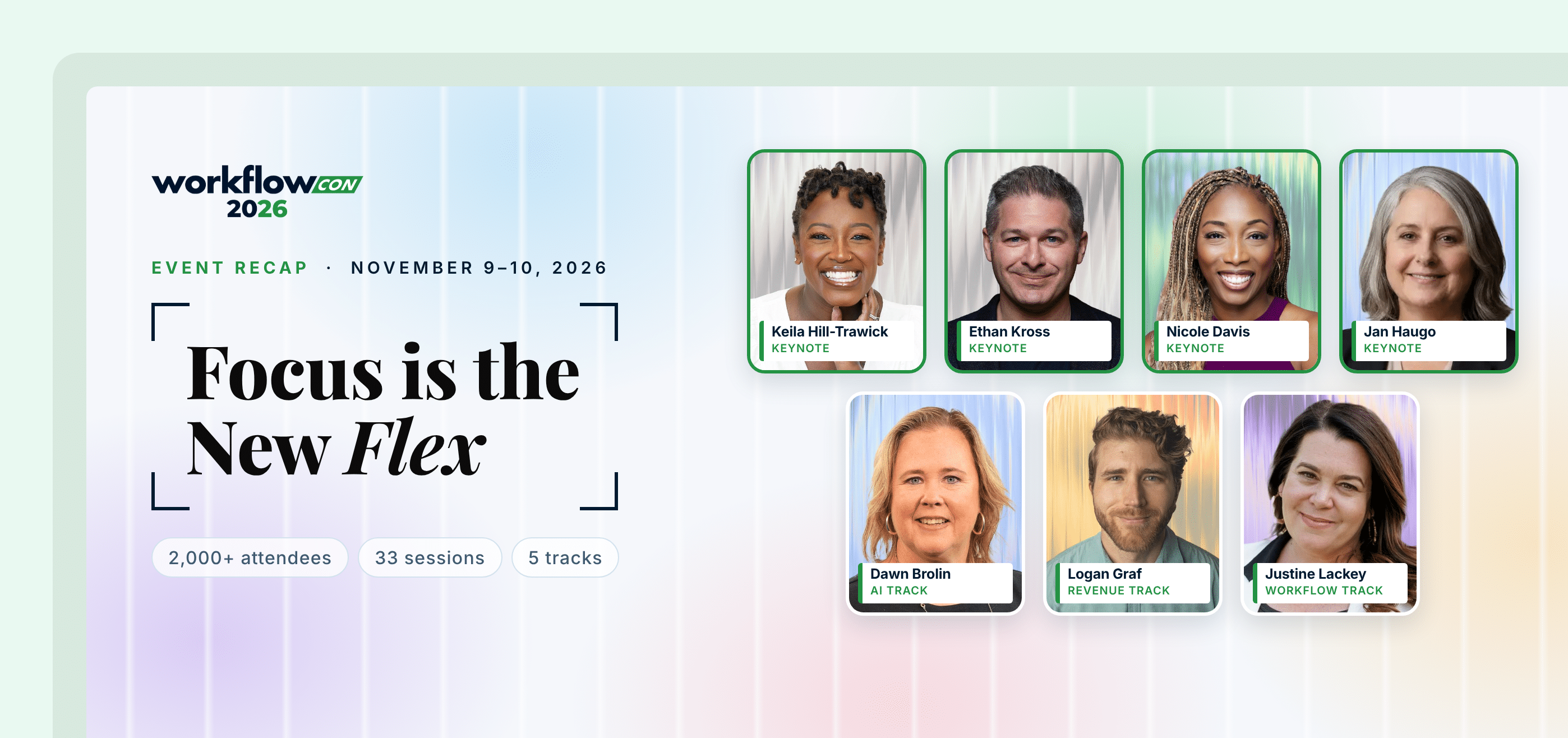
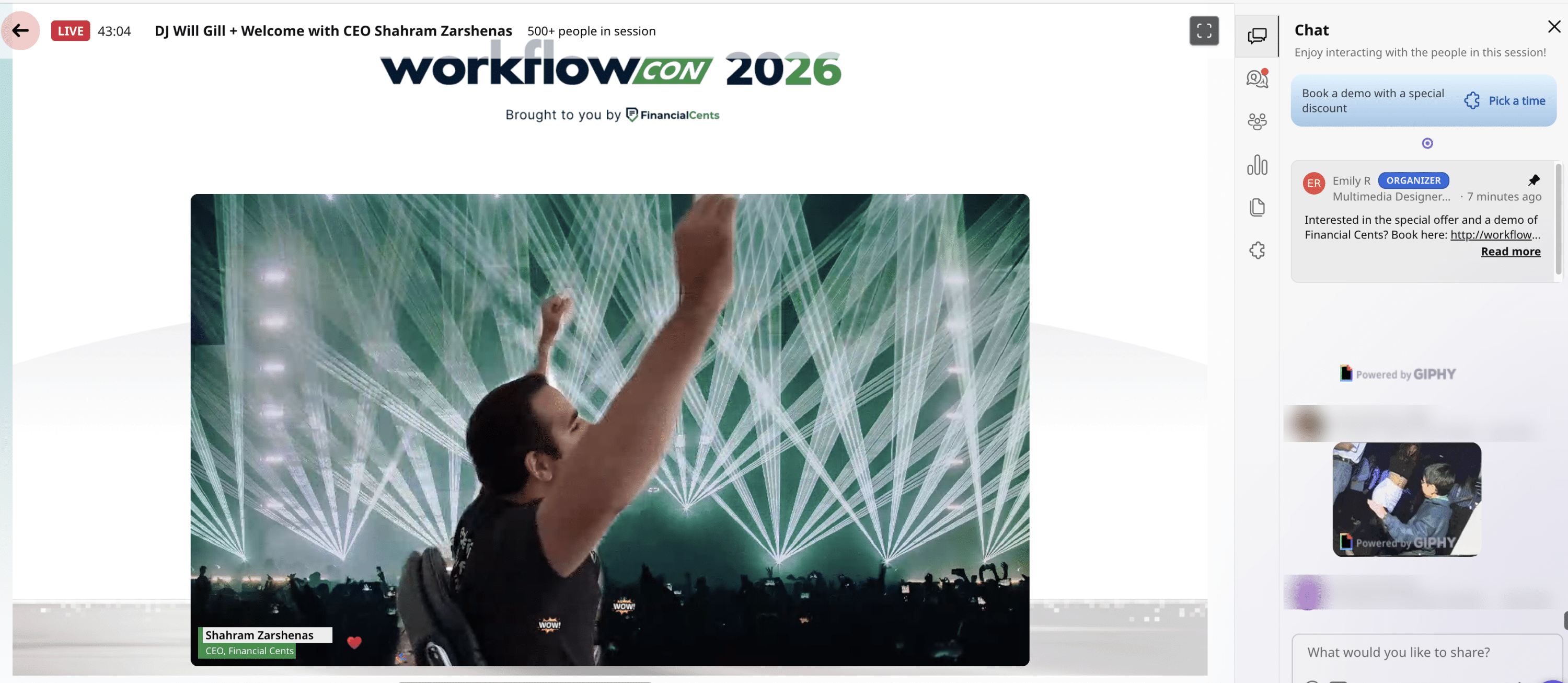
That tension is what WorkflowCon 2026 set out to break. Over two days, 30+ speakers took the virtual stage with one message: focus is the new flex. The clarity to decide what you won’t do matters more than how big your firm gets.
Financial Cents CEO Shahram Zarshenas framed it in his opening welcome:
Over 5,000 accountants, bookkeepers, and CPAs registered, and more than 2,000 of them joined us live on November 9–10, 2026. Here’s what happened on each day, the moments that lit up the chat, the Small & Mighty Award winners, and the lessons worth putting to work in your firm right now.
If you’d rather watch than read, all 33 sessions are available in the WorkflowCon 2026 replays.
What Is WorkflowCon?
WorkflowCon is an annual virtual conference hosted by Financial Cents since 2023. It’s built for owners and team members at small firms, from two-person shops to teams of dozens, and it focuses on the operational side of running a practice: workflows, clients, teams, pricing, and technology.
It’s free and fully online on purpose. As Shahram put it, workflow was “the number one thing that constantly came up” when Financial Cents talked to firm owners, so the team built an event “that’s free for all firms so you can learn from the best and the brightest in the industry.” That means you can bring your whole team without closing the office for a week. Several speakers made the same point from the stage. Justine Lackey reminded the chat that the event is something Financial Cents does “for free,” and Jan Haugo called the two days “incredible” for the “volume and the quality.”
This year’s program ran across five tracks: Workflow, AI, Client, Revenue, and Team. It also added a few new touches: the Small & Mighty Awards, an Easter Egg Hunt, an engagement leaderboard, and a live DJ to kick off each morning.
Day 1 (November 9): Building a Firm You Actually Want to Run
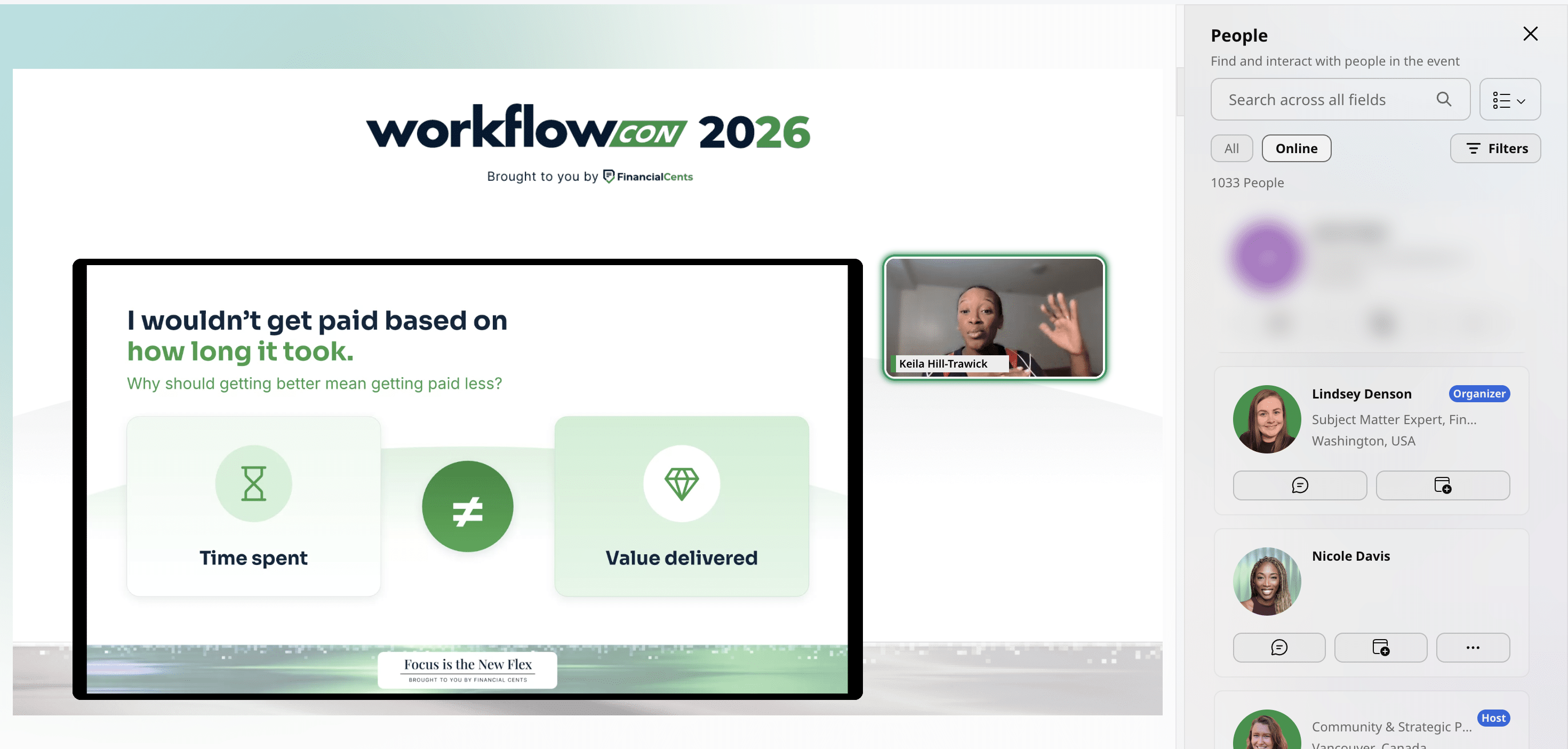
Shahram opened the day by asking the chat one question: if you could focus on one thing in your firm, what would it be? The answers poured in: AI, automation, marketing, intake, and scalability. Then he handed the main stage to Keila Hill-Trawick.
Keynote: Build to Enough, with Keila Hill-Trawick
More than 1,000 people were in the room as Keila, who runs Little Fish Accounting (six team members, about 60 clients), asked the question most growth advice skips: what are you growing toward?
Her hiring lesson landed just as hard: “Bad help isn’t help.” Keeping an underperformer because some help beats none only means paying someone while you redo half their work.
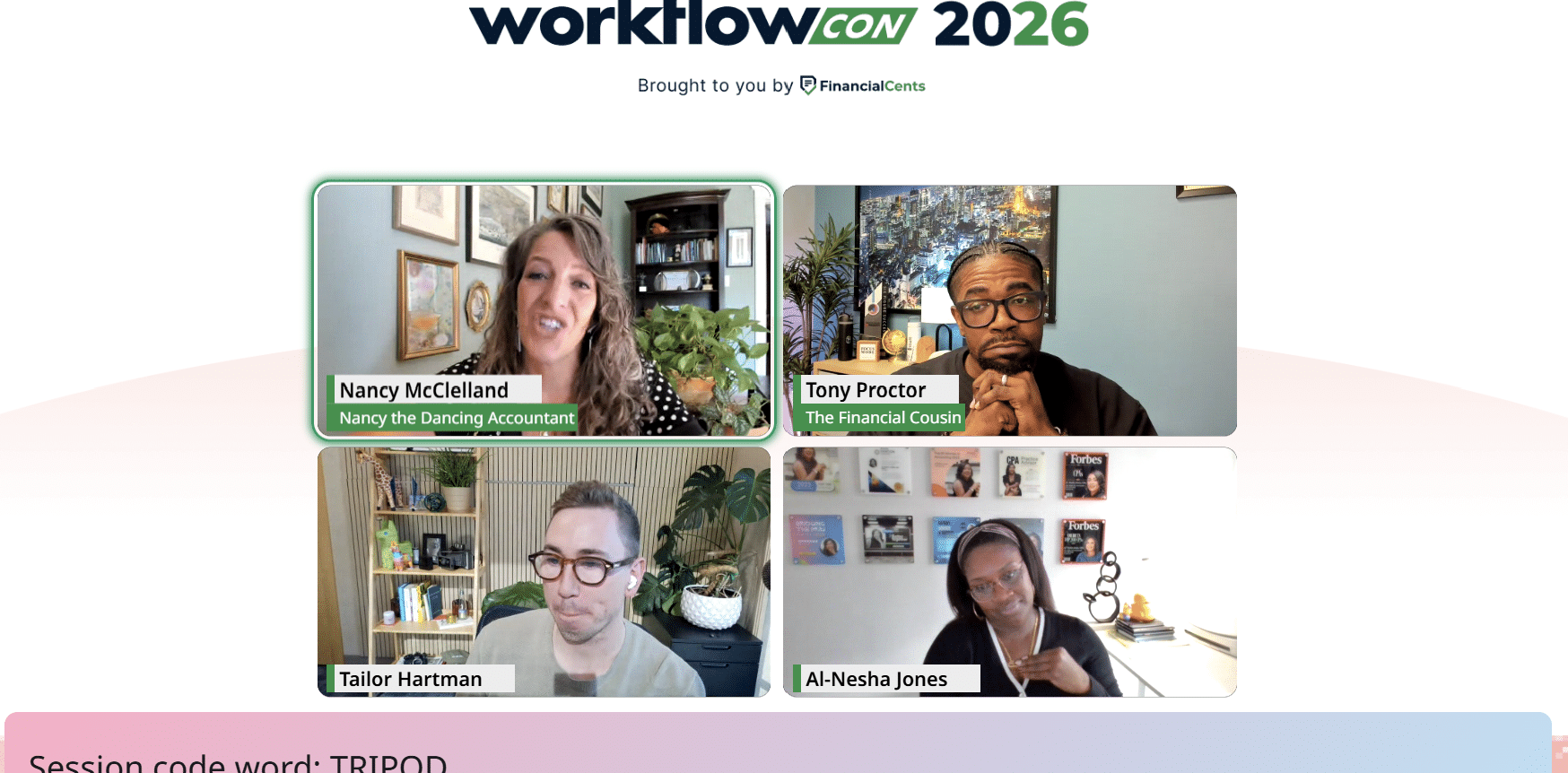
Panel: Would You Fire This Client?
Moderator Nancy McClelland gave Al-Nesha Jones, Tony Proctor, and Tailor Hartman real scenarios and made them choose: keep, fix, or fire, while the audience voted in the chat. When a client worth 12% of revenue refused the firm’s security rules, Tony said only a $100 million account would change his answer. Everyone agreed on the behavior firms tolerate too long: clients who use workarounds instead of your process. The closing round summed it up:
- “You probably don’t need to fire the client yet if they are open to working toward a solution.” — Al-Nesha Jones
- “You probably do need to fire the client when they’re disrespectful to your team.” — Tailor Hartman
Panel: The Out-of-Office Stress Test
AICPA’s Stephanie Otero asked three Summer Workflow Camp winners what broke when a key person disappeared. The audience poll said task follow-up would break first (30%). Misty Scott’s lesson was the most relatable: “We’re gonna work on formalizing our processes as soon as we have time… And shocker, we never had time.” Dave Kersting added: “I look at being human as the premium, not the commodity.”
Breakouts that got the chat talking
Ryan Lazanis skipped the lecture and had attendees build a reusable, AI-assisted job post template live. His most important hiring value? “Stay humble,” because “the biggest reason why people don’t work is due to lack of coachability.”
Jan Haugo showed how to turn closed books into a client dashboard and a month-end email clients actually answer, using Claude. Her reminder: AI can spot the relationships in the numbers in minutes, “but it can’t tell you why it happened… you, the adviser, [have] to find out what it means.”
Justine Lackey made the case for monotasking. She asked everyone to put their phones away (“first of all, you’re not gonna die”), find their “lightning hours,” and sort their work with her BED filter: brainy work, easy work, and work to delegate. Her session came up so often in the chat that Shahram mentioned it again at the closing wrap-up.
Afternoon: Workflows people actually follow
Two workflow sessions tackled the gap between having a process and using it. Jo Kindret tests every workflow she builds with one question: can somebody “pick it up, follow it without asking 500 different questions”? Her story about an onboarding task that confused staff because nobody explained why it had to wait until January showed how missing context breaks good templates. Jenna Lee Dillon showed how her firm writes ownership into every project stage: “not assumed… a task that says, tell so and so you are handing the project off to them.”
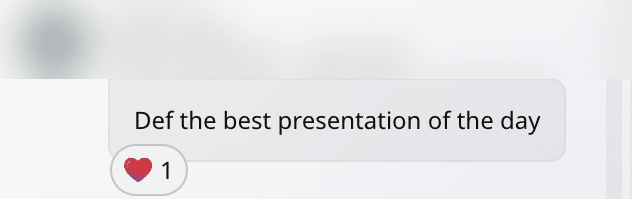
Jenna Lee’s session got one of the day’s best reviews in the chat: “Def the best presentation of the day.”
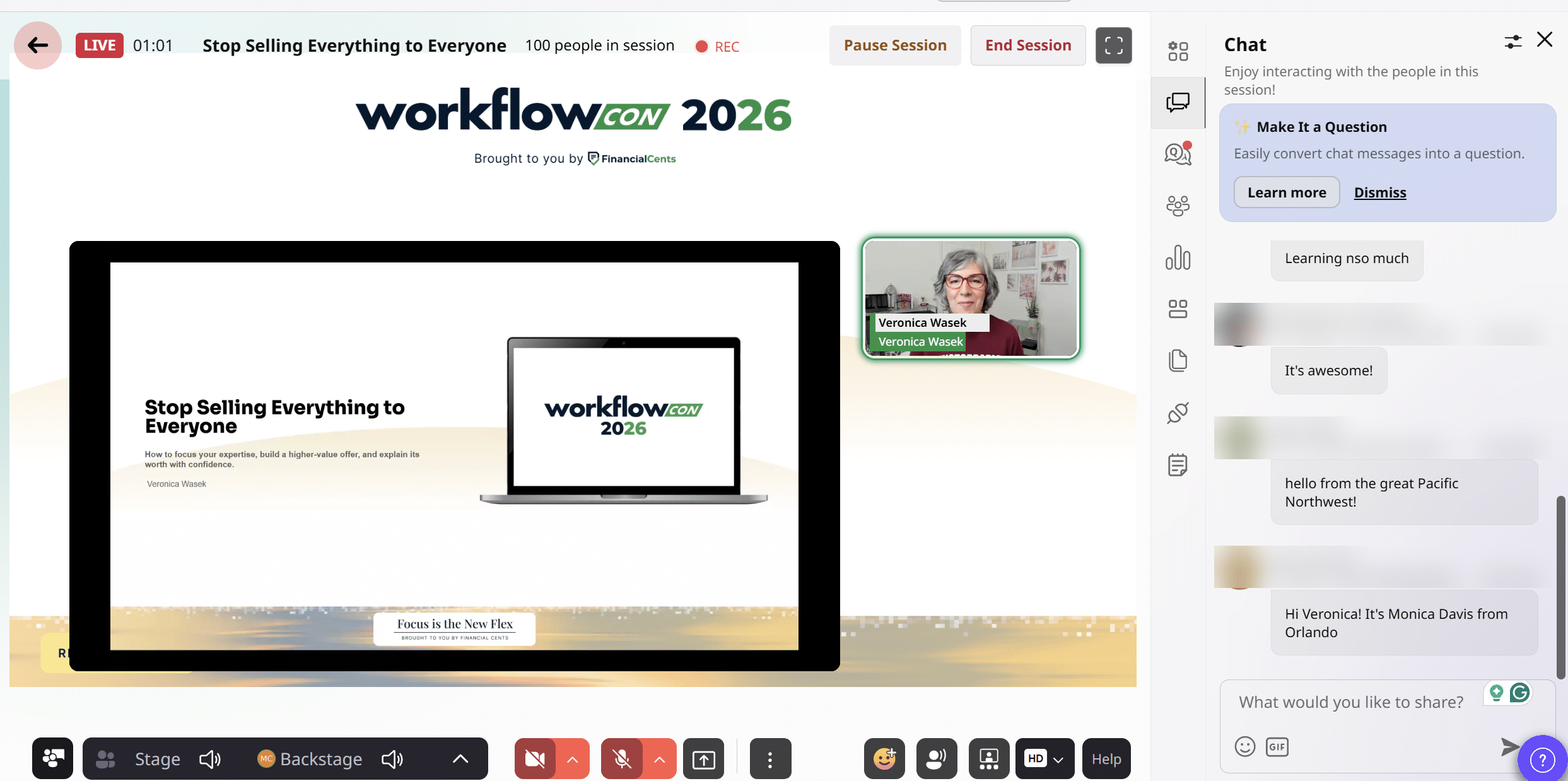
Tonya Schulte explained how her firm serves busy construction subcontractors: one communication channel per client, monthly check-ins, and a 24-hour response guarantee (excluding weekends and holidays). That guarantee works because the whole team keeps it, not one person. Kristy Monahan argued that your tech stack already has a hidden org chart and asked attendees to write a seven-field “job description” for every tool, including its owner, where its work comes from, and where it goes next. Veronica Wasek, who grew and sold a six-person bookkeeping firm, explained how narrowing to e-commerce clients and packaging her services ended the “any client, any service, any price” cycle.
Closing keynote: Shift, with Ethan Kross, PhD
University of Michigan professor Ethan Kross closed Day 1 with the science of “chatter,” the negative voice in your head that spirals under pressure. One of his tools is distanced self-talk: coaching yourself through a problem using your own name and “you,” because “we are much better at giving advice to other people than we are ourselves.” He also explained how awe can shrink your sense of self, and your chatter along with it. His advice was to experiment: “Different tools work for different people in different situations.”

Day 2 (November 10): Focus in Practice
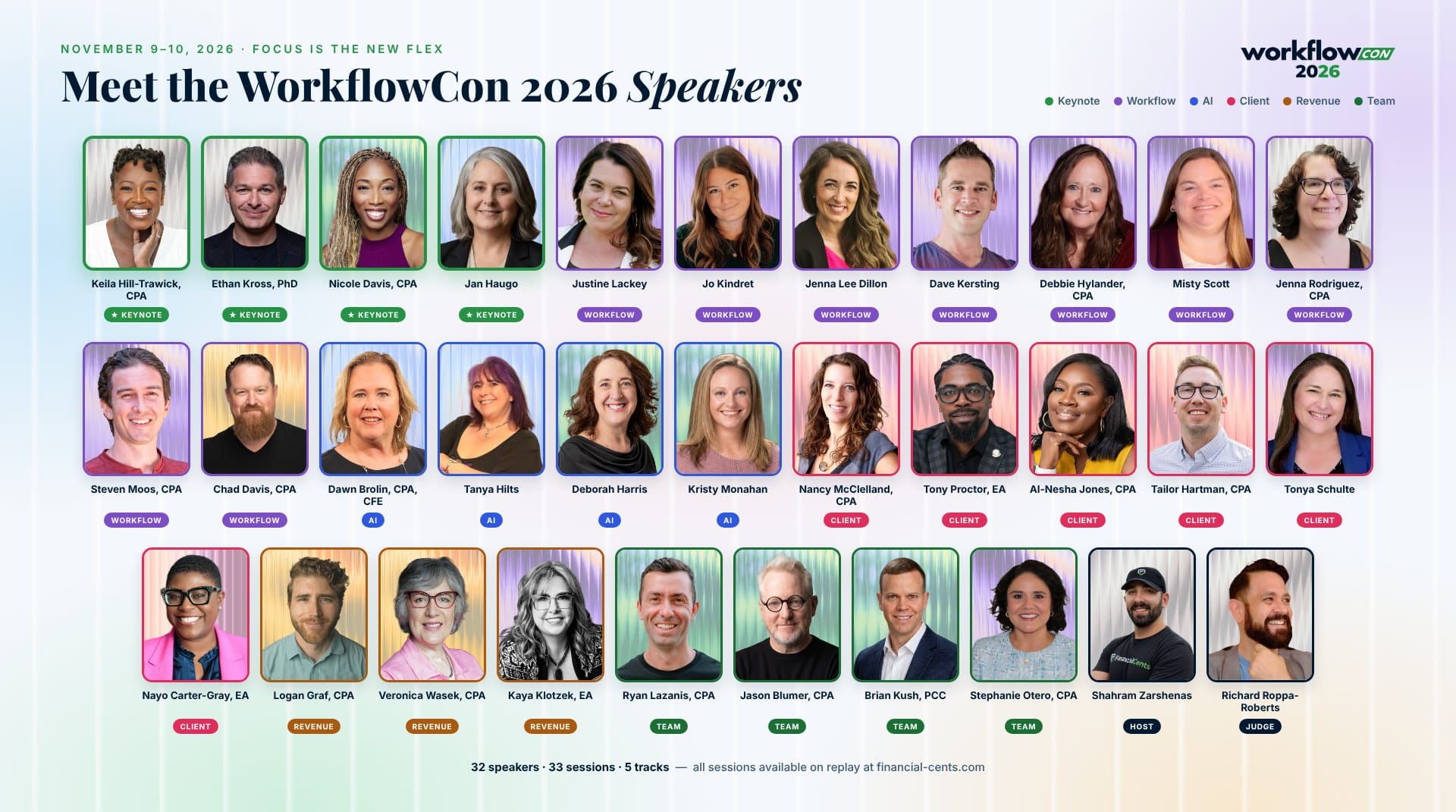
DJ Will Gill got the chat moving again, and Day 2 shifted from mindset to execution: the numbers, systems, and decisions that make focus stick.
Keynote: The Focused Firm, with Nicole Davis, CPA
Nicole runs Conscious Accounting outside Atlanta. She also runs a payroll company and a construction company, does stand-up comedy, and homeschools three kids. She called herself “the wrong person for this job,” then shared the lies that used to keep her busy: “It’s faster if I just do it myself. Faster today, slower every single day after that.” And: “I work better under pressure. No. I work under pressure. Those are different.”
Her “flexes” were easy to steal:
- Idea escrow: New ideas sit on a list for 30 days. On day 31 she asks two questions: “Am I still excited about it?” and “Does it serve what we already said we’re gonna do this year?” If not, the idea “expires quietly.”
- Let the system triage instead of relying on willpower.
- Office hours: Her team gets her full attention on set days, and her focused client work is protected on the others.
- A designated firefighter so emergencies don’t pull everyone’s focus at once.
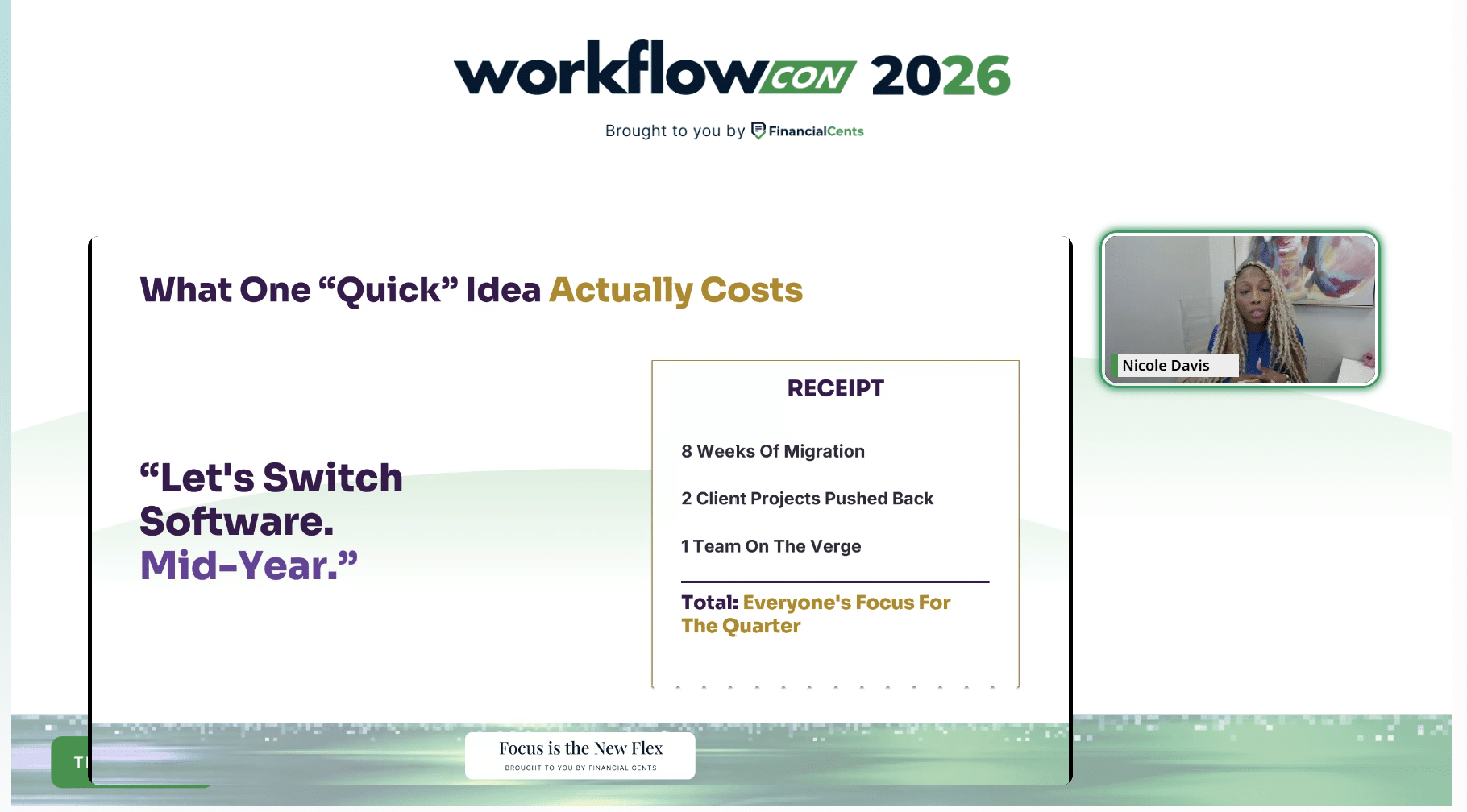
One slide made the cost of an unfiltered idea painfully clear. Her “receipt” for switching software mid-year: eight weeks of migration, two client projects pushed back, and one team on the verge. Total: “Everyone’s focus for the quarter.”
Losing $100K a month: Chad Davis on LiveCA’s turnaround
LiveCA grew to $9–10 million in revenue. Then a nearly $20 million sale fell through a week before closing, and the firm was soon losing more than $100,000 a month. The partners modeled every team size from 20 to 110 people, landed on 60, and have made more than $1 million in profit in each of the last two years.
Client onboarding and feedback
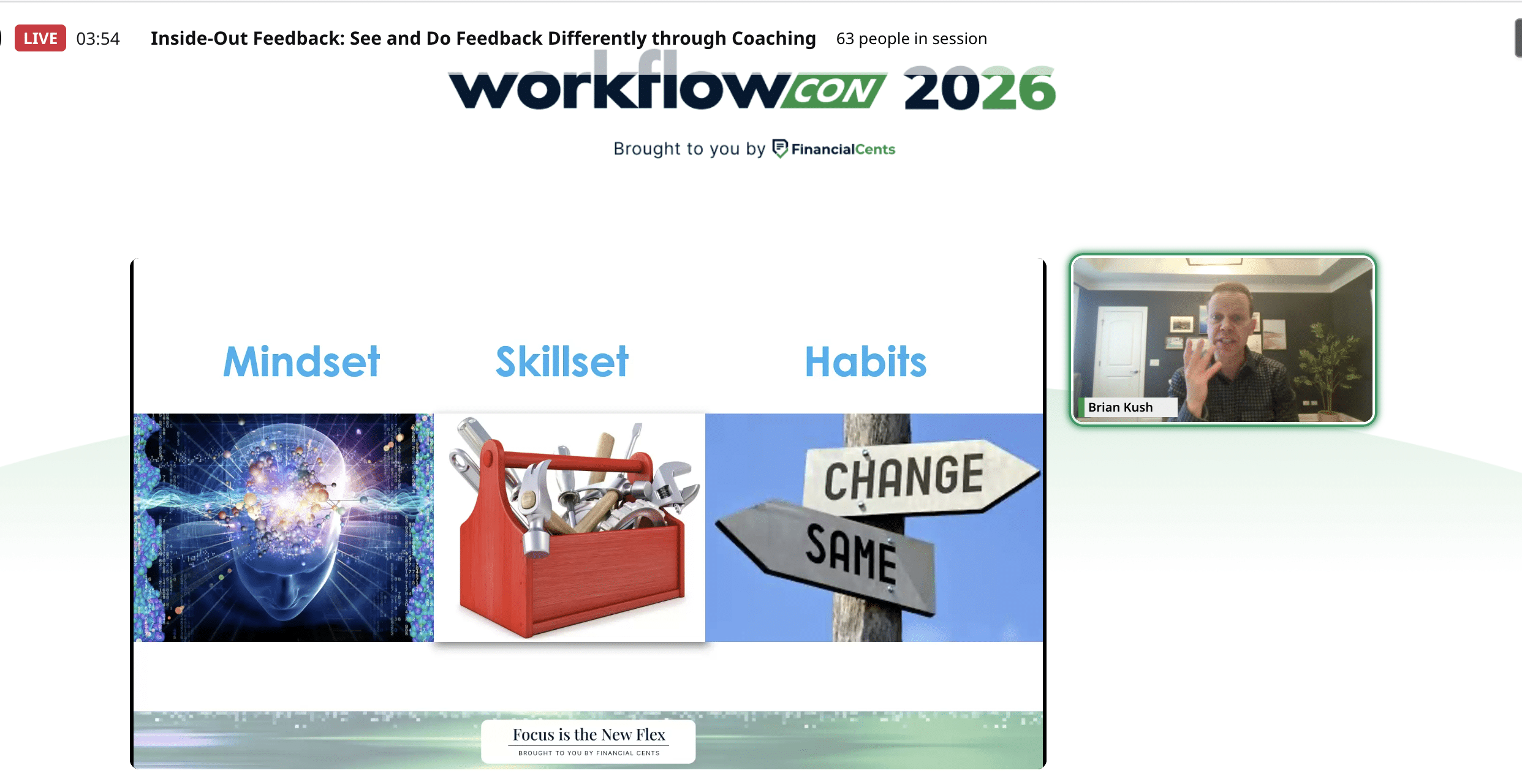
Nayo Carter-Gray made the case that what happens right after a client signs matters even more than the sale. She urged attendees to stop sending “five emails in one day,” to hand off sales context to the delivery team, and to set their rules early. Her firm deletes emailed attachments and points clients to the portal: “This is your business, not theirs. You tell them how to work with you.” Brian Kush reframed feedback as a coaching conversation. Let the performer assess their own work first, with questions like “Where did you get stuck on this engagement?” and “What might you do differently next time?”
Keynote: The Firm of 2028, with Jan Haugo
Jan’s warning: AI will give you time back, but “if you don’t decide what that time is for, it disappears right to your inbox.” Her core point: “What we’re training on is judgment, not tools.” Financial Cents’ research agrees. Firm owners’ top AI priority is capacity (43%), and 90% say human judgment matters more as AI spreads (2026 State of AI in Bookkeeping & Accounting).
The AI track: rules before tools
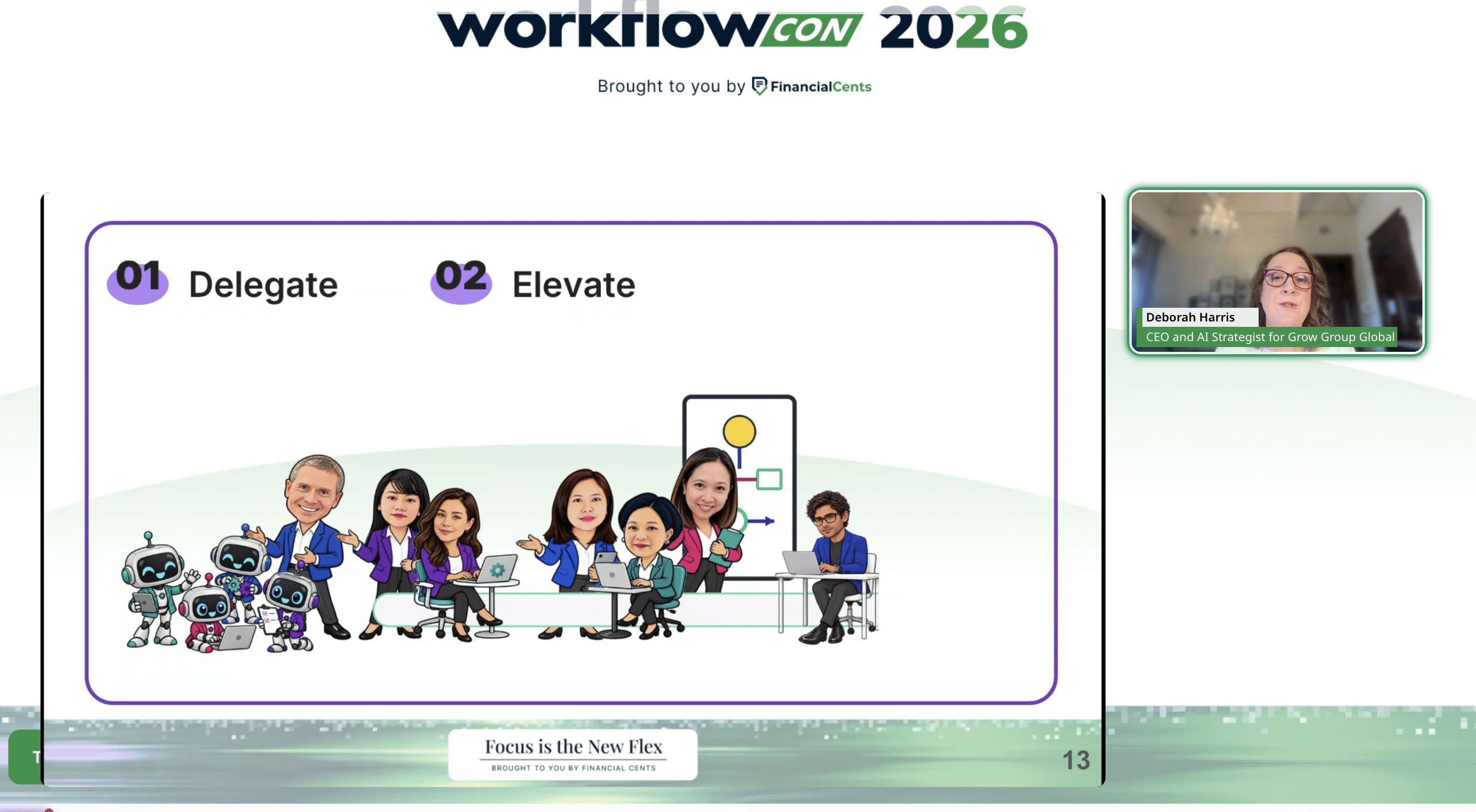
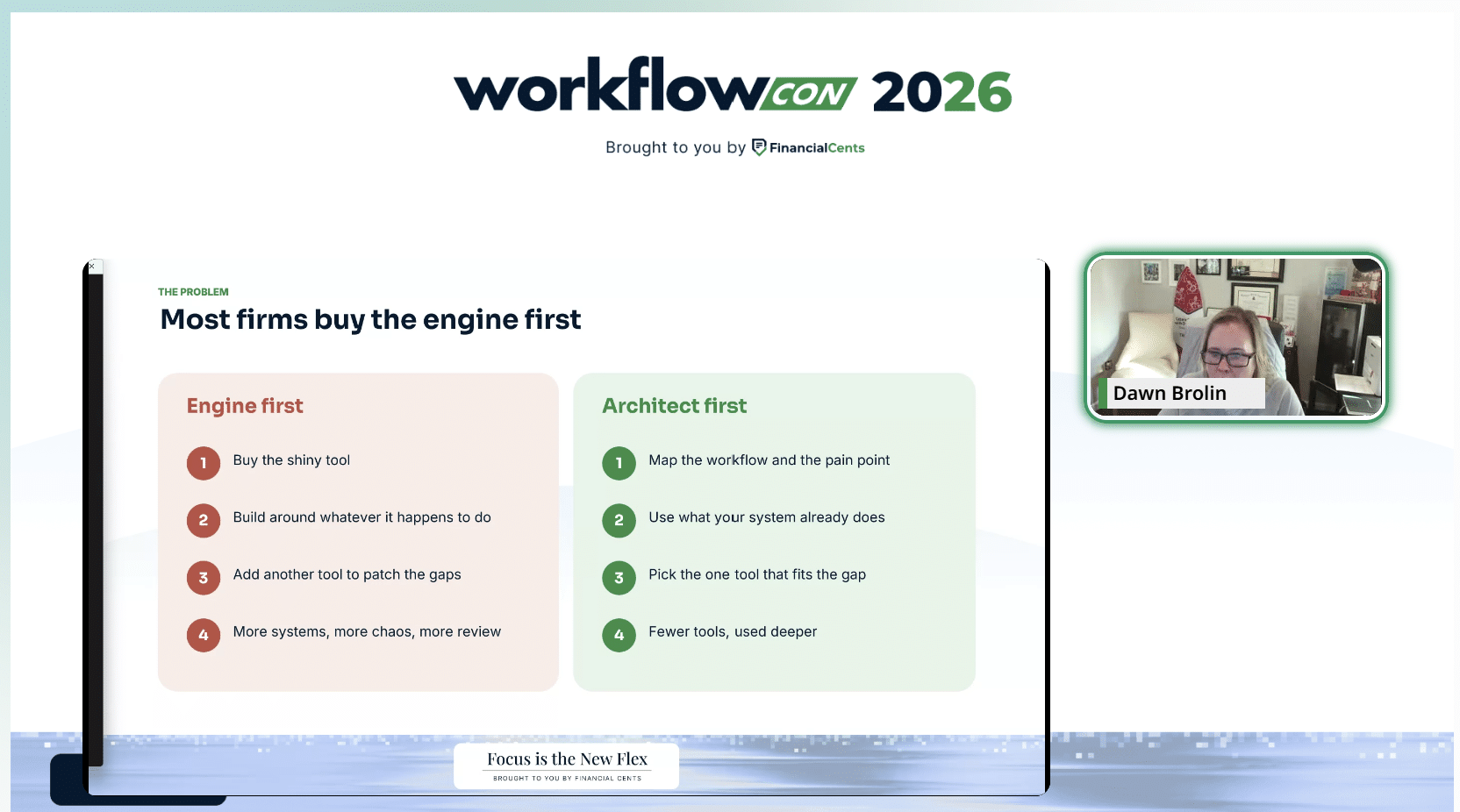
Three sessions came back to the same idea: decide how AI fits your firm before it touches client work. Tanya Hilts, one of 500 people invited to a UN working summit in Geneva this summer (where one of her recommendations made the final 14 in the Geneva Compact), walked through the questions every AI tool has to answer before it sees client data. In her firm, “AI does not put anything in” to client books. A person reviews everything first. Dawn Brolin, CPA, CFE, runs one tool through five questions: “What is the pain? What is the data? What is the system? Is it easier, and do I have to review?” Her “engine first vs. architect first” slide summed it up: most firms buy the shiny tool and patch the gaps with more tools, while architects map the workflow first and use fewer tools, more deeply. She also showed the AI tool she built for her four-person firm, which cut entering six years of bank and credit card statements from 40 hours to 10. The payoff, in her words: “The time goes back to my clients.” Deborah Harris described “warm brains” (people) and “cold brains” (AI) and warned that automating entry-level work can remove the way junior staff learn judgment:
The data backs them up. Of firms actively using AI, 87% have no formal written AI policy. Firms with one report clear ROI at 35%, compared with 14% for firms with no policy and no plans to create one (2026 State of AI in Bookkeeping & Accounting, Financial Cents).
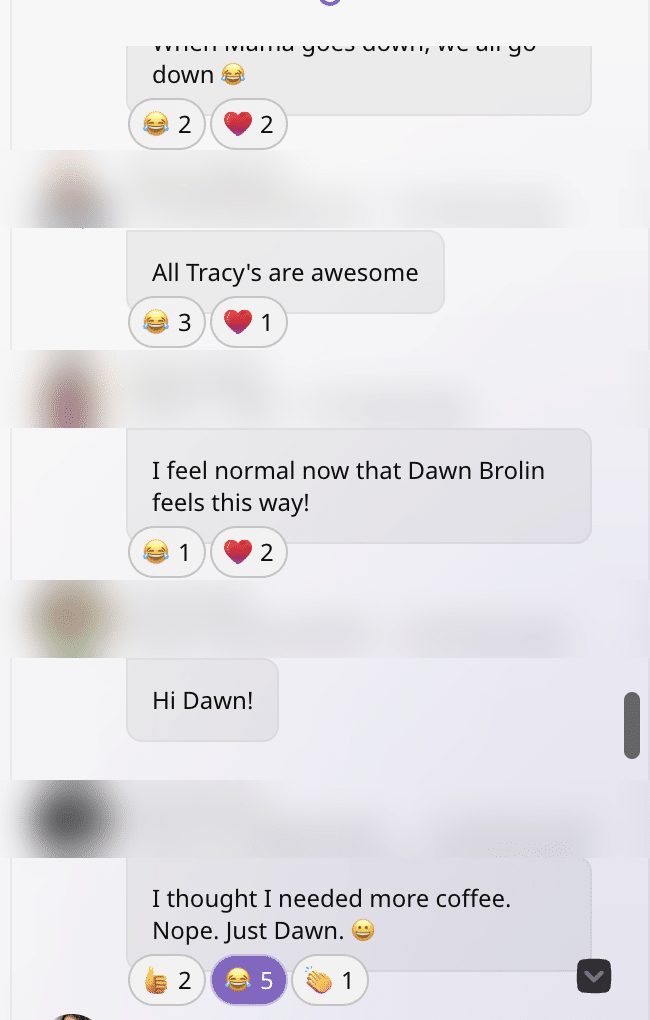
The chat loved it. “I thought I needed more coffee. Nope. Just Dawn,” wrote one bookkeeping firm owner. Another added, “I feel normal now that Dawn Brolin feels this way!”
Pricing, acquisitions, and alignment
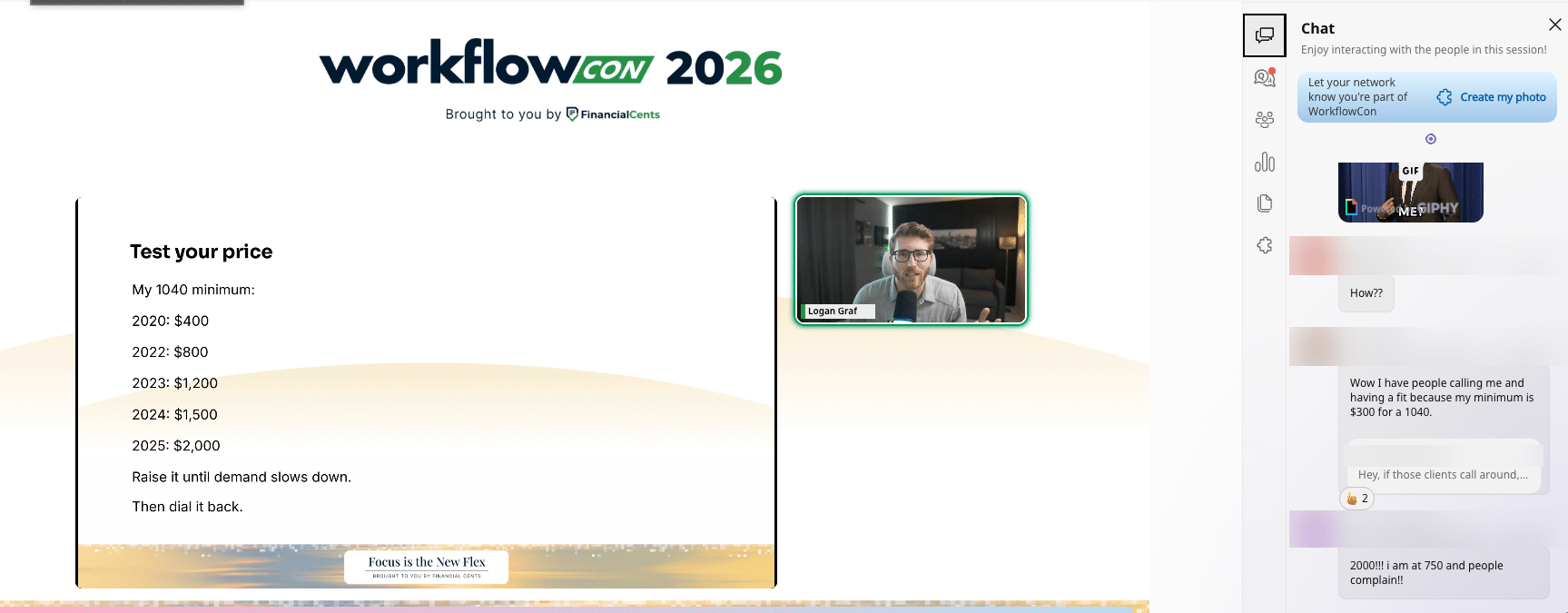
Logan Graf, CPA, delivered what may have been the most literal take on the theme: you buy focus with pricing. In fall 2022 he sent price increases to 59 clients, about a third of his list, with an average increase of 52%. Eighteen clients (31%) left. Revenue from that group still rose from about $39,700 to just under $42,000, and he got roughly 40 hours back, mostly during tax season. He now uses an intake form and charges for initial consults (currently $150), which have brought in almost $20,000.
His advice on finding your price: “Raise it until demand slows down. Then dial it back.” His own 1040 minimum went from $400 in 2020 to $2,000 in 2025. That slide set off the chat. “2000!!! I am at 750 and people complain!!” wrote one firm founder, while a CPA added, “I have people calling me and having a fit because my minimum is $300 for a 1040.”
Steven Moos, CPA, shared what he learned buying a retiring CPA’s tax practice: watch the seller work before taking over, change task assignments, file naming, and automated follow-ups sooner, and leave core production procedures alone longer. He worked seven days a week during both of his first tax seasons. “This whole presentation is how to get out of that.” Jason Blumer, CPA, closed the track on alignment: when a decision is about vision, you’re telling the team, and when it’s about implementation, you’re asking. Kaya Klotzek of RSSA showed how to turn Social Security planning into a defined, billable engagement that ends with a written action plan.
Product preview: The End of the Organizer Chase
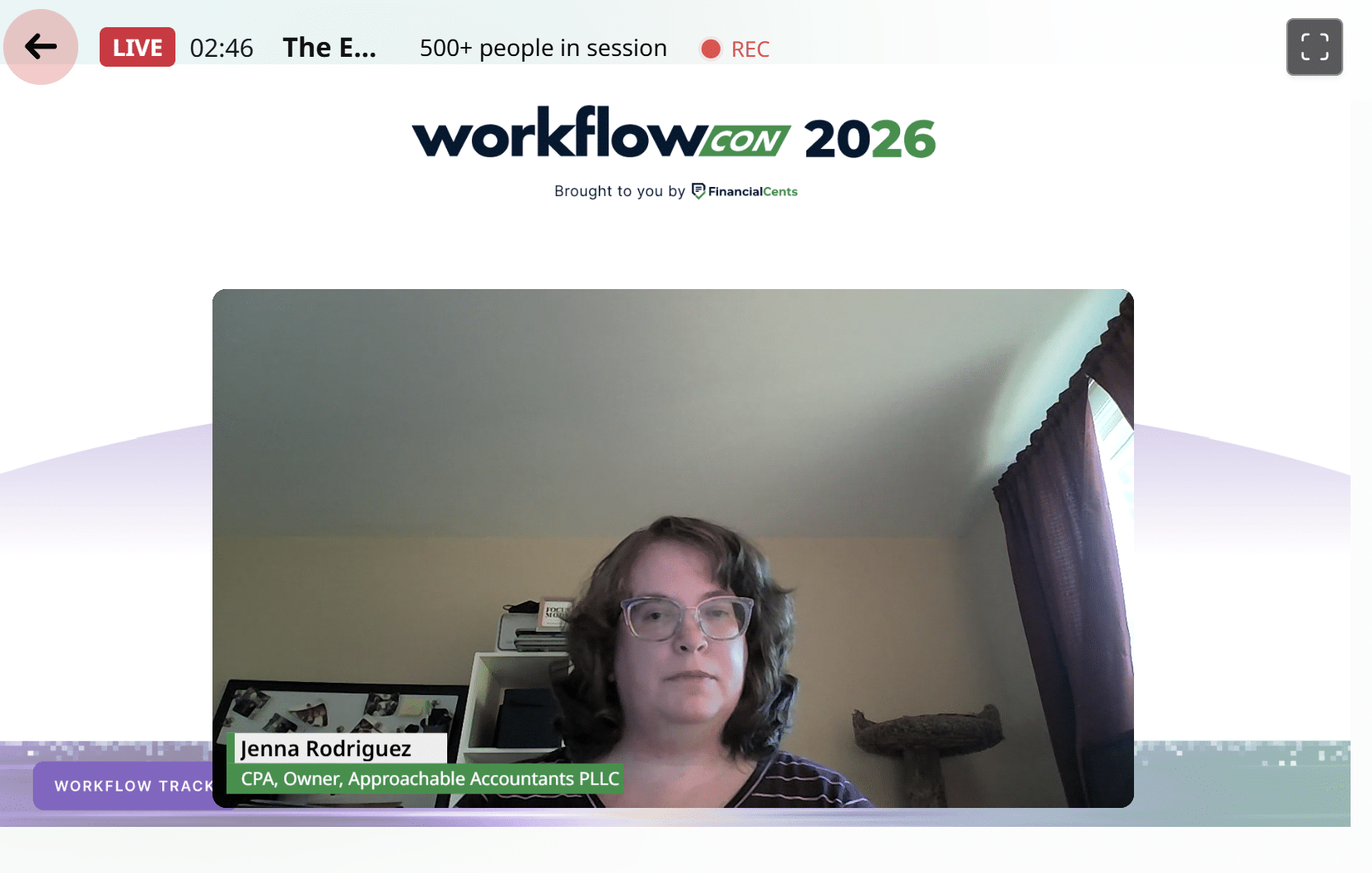
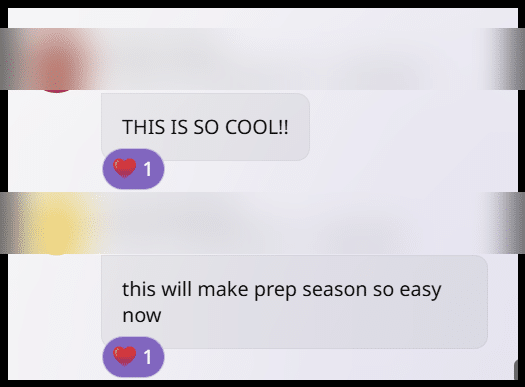
Jenna Rodriguez, CPA and owner of Approachable Accountants PLLC, and Shahram previewed the first step in what Financial Cents calls the future of tax workflow: customizable, conditional tax organizers, sent inside each client’s project, so you ask clients only for what applies to them. More than 500 attendees joined the session live, and the chat was quick to react: “THIS IS SO COOL!!” “This will make prep season so easy.” One CPA called it “a game changer! Truly!”
The Small & Mighty Awards
Judges Keila Hill-Trawick, Richard Roppa-Roberts, and Tanya Hilts revealed four winners from 12 finalists. Each receives $1,000, a paid trip to a major accounting conference, and coaching.
- Rising Voice — Melissa Miranda, Step By Step Accounting. Inspired by her family’s dairy farm, she helps owners understand their numbers early: “strong business and calm mind.”
- Underserved Market Champion — Justin Greek, House of Numbers Bookkeeping. A year-old, referral-built firm serving LGBTQIA2+ individuals and business owners.
- Community Builder — Lonnie Morris, Lonnie Morris CPA & Company. Has led the Plano CPA Study Club for 38 years because “none of us know everything.”
- Efficiency Engineer — Kathy Hayden, Hayden’s Tax Service. Built retirement tax tools that showed one couple about $300,000 in lifetime tax savings.
Fun & Community
WorkflowCon isn’t a webinar marathon, and the chat made sure of it.
- DJ Will Gill warmed up both mornings, took song requests, and got the chat “HYPED” before the first keynote.
- The Easter Egg Hunt hid seven code words in sessions each day. Find at least four, and you were entered to win your choice of a Breville Bambino Plus, Bose QuietComfort headphones, or an Away suitcase.
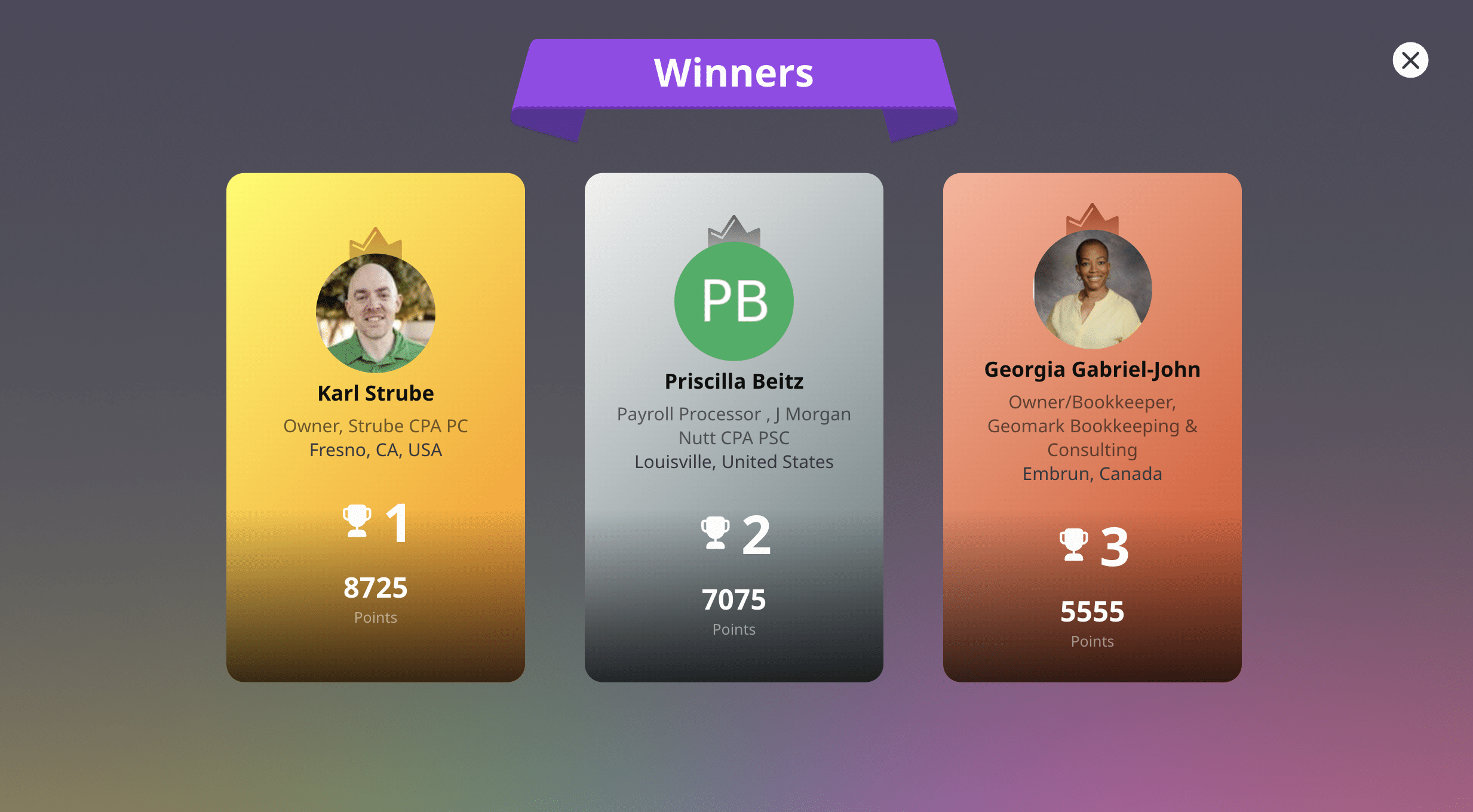
- The engagement leaderboard rewarded attendees for chatting, polling, and visiting booths. Congratulations to our top three: Karl Strube of Strube CPA PC (8,725 points), Priscilla Beitz of J Morgan Nutt CPA PSC (7,075), and Georgia Gabriel-John of Geomark Bookkeeping & Consulting (5,555). The Financial Cents demo table also ran a $500 cash raffle.
- Roll call: Attendees checked in from across the U.S. and Canada, plus the Philippines, Mexico, Spain, and Australia, where it was already Wednesday for speaker Deborah Harris.
What Attendees Said
The chat never really slowed down. A few moments that stood out:
- When Shahram asked returning attendees to describe WorkflowCon in one word, answers included “Wowsers,” “Motivating,” “Informative,” and “Exciting.”
- During Nicole Davis’s keynote, attendees typed which “flex” they’d steal; cutting interruptions and “disappear on purpose” came up again and again.
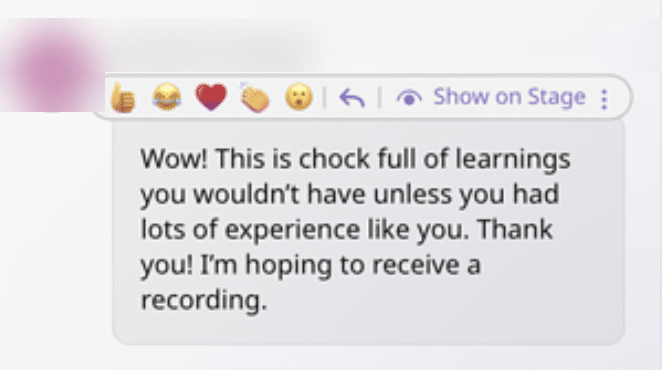
- “Wow! This is chock full of learnings you wouldn’t have unless you had lots of experience like you. Thank you!” — an attendee after a Day 1 workflow session
- “This is a really good session!! So glad I’m at WorkflowCon!” — an attendee replying to a Day 1 reminder email
- “Thank you to you and the rest of Team Financial Cents for everything you did in this convention.” — a bookkeeper, in a message to the team on Day 2
5 Lessons Small Firms Are Taking Into 2027
- Define “enough” before you define growth. Decide the team, client count, and revenue that give you a firm you want to run.
- Use pricing and service menus to say no. Price is a capacity tool, and a narrower menu attracts better-fit clients.
- If a workflow only works when you’re in the office, it’s not finished. Add context, make handoffs explicit, and test coverage before someone is out.
- Write the AI rules before you add the AI tools. Decide what data AI can touch and who reviews its output.
- Start every turnaround with honest numbers. Track time by client, compare it to what you charge, and reprice.
Turning Focus Into a Habit Inside Your Firm
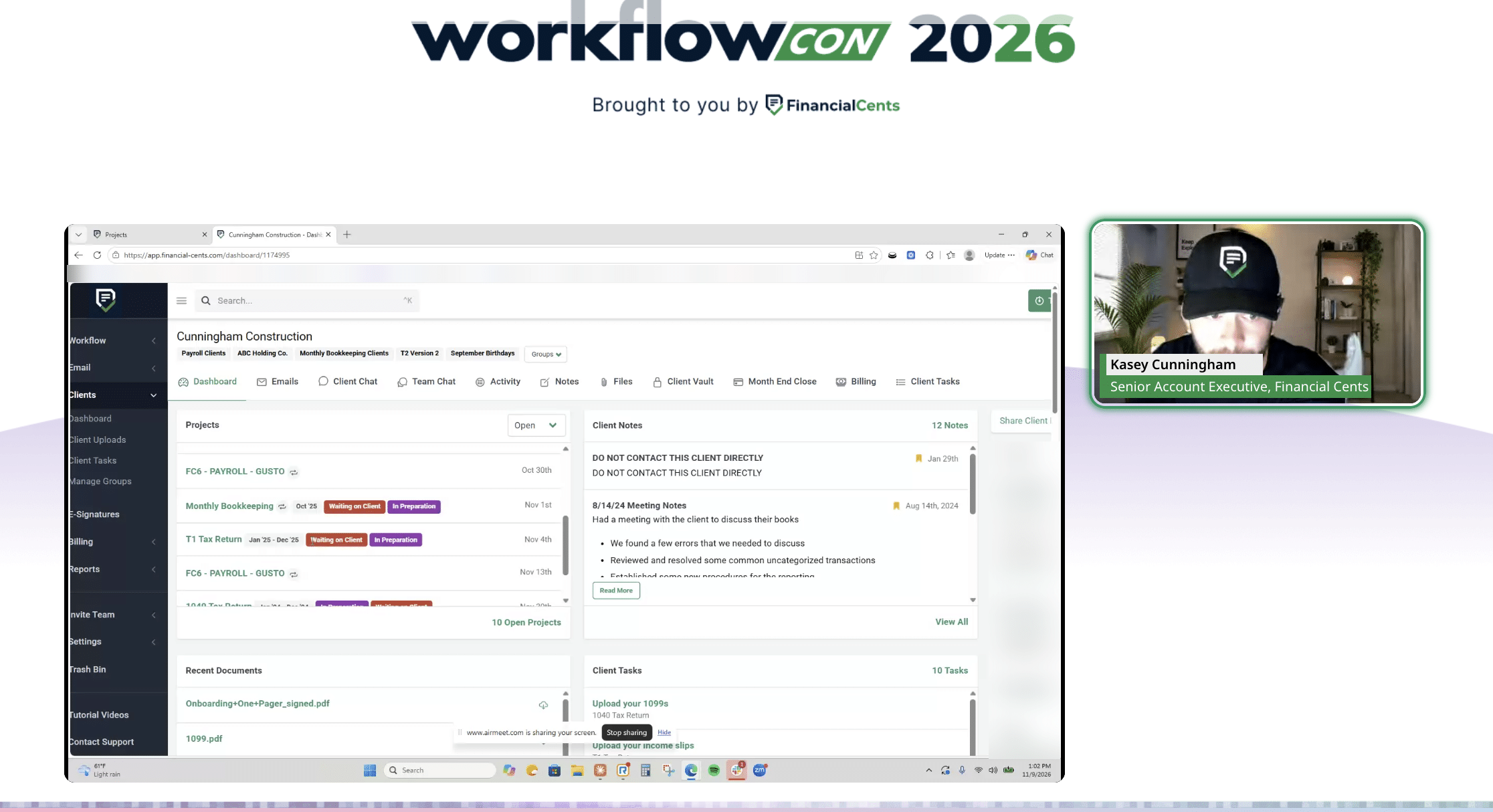
Focus doesn’t stick in conference notes. It sticks when it’s built into how work moves through your firm. With Financial Cents’ accounting practice management software, recurring workflow templates carry the context Jo Kindret talked about, capacity management feature shows who’s overloaded before work stalls, and client tasks and conditional organizers end the document chase. AI agents for file renaming, validation, and routing are included in every plan.
Speakers who use it said the same. Steven Moos said it “got me out of tracking projects on a spreadsheet,” and Misty Scott said the email integration helped new hires learn each client’s history.
Wrapping Up WorkflowCon 2026
Thank you to our 30+ speakers, 14 sponsors, the Financial Cents team, and every attendee who showed up and shared. Shahram closed with one challenge: “Pick one, focus on it, go deep, have an impact.” So ask yourself: what does “enough” look like for your firm in 2027, and which client, service, or tool are you keeping only because it’s hard to say no?
Then watch the WorkflowCon 2026 replays, pre-register for WorkflowCon 2027, and start a free trial or book a demo of Financial Cents.

Shahram Zarshenas is the co-founder and CEO of Financial Cents. A former investment banker for software companies, he has helped thousands of accounting and bookkeeping firms document their workflows, organize their teams, and scale.
Share this article